


Advertisements
Secure online banking practices have become an essential part of financial life in the United States, especially as digital banking continues to replace traditional in-branch services.
From everyday activities such as checking balances and paying bills to more complex actions like applying for credit or managing investments, Americans increasingly rely on online platforms to control their finances. This growing dependence, however, also exposes users to a wide range of cyber risks that cannot ignored.
Advertisements
Secure online banking practices are no longer relevant only to technology experts or high-net-worth individuals. On the contrary, they affect students, families, retirees, and small business owners alike.
As banks expand mobile apps and digital tools, cybercriminals adapt their strategies to exploit user behavior rather than system flaws. Consequently, understanding how to navigate online banking safely has become a basic financial skill in the modern American economy.
Advertisements
Moreover, while U.S. banks operate under strict regulatory frameworks and invest heavily in cybersecurity infrastructure, no system is entirely immune to fraud. Attackers frequently target human error through phishing emails, fake text messages, and social engineering tactics that appear increasingly legitimate.
Therefore, adopting secure online banking practices is not simply a recommendation. It is a proactive measure that helps prevent identity theft, financial loss, and long-term damage to credit history.
Understanding the Online Banking Landscape in the United States
The online banking landscape in the United States has expanded significantly in recent years, transforming how consumers manage their finances. Today, digital platforms go far beyond basic transactions, offering access to payments, credit, investments, and financial planning tools.
As a result, Americans rely heavily on online and mobile banking for everyday financial decisions, which increases convenience but also amplifies exposure to cyber risks that demand greater user awareness.
Moreover, U.S. banks operate under strict regulatory oversight and invest heavily in advanced security technologies such as encryption, real-time fraud detection, and behavioral monitoring.
However, despite these protections, cybercriminals increasingly target users through phishing, social engineering, and unsecured devices rather than attacking bank systems directly. Therefore, effective online banking security depends not only on institutional safeguards but also on informed and responsible consumer behavior.
In addition, younger users and students are entering the financial system almost entirely through digital channels. Topics such as Understanding Student Loans Options Today are closely connected to online banking, as loan management, repayment tracking, and financial aid platforms are primarily accessed online.
Consequently, adopting safe digital habits early is essential to protect sensitive financial data and ensure long-term stability in the modern U.S. banking environment.
Common Online Banking Threats Faced by U.S. Consumers
Before discussing solutions, it is essential to understand the most frequent threats targeting online banking users in the United States.
Phishing attacks remain one of the most widespread dangers. In these schemes, criminals impersonate banks or trusted companies through emails, text messages, or phone calls. They attempt to trick users into revealing login credentials or clicking on malicious links.
Although many people recognize basic phishing attempts, modern scams are highly convincing and tailored to individual targets.
Another major threat involves malware and spyware. These malicious programs can infect computers or smartphones through unsafe downloads or compromised websites. Once installed, they may capture keystrokes, monitor activity, or redirect users to fake banking portals.
In addition, public Wi-Fi networks present serious risks. When users access banking apps or websites on unsecured networks, attackers may intercept sensitive data. This type of attack, known as a man-in-the-middle attack, is particularly dangerous in crowded places like airports, cafés, and hotels.
Given these risks, adopting secure online banking practices becomes the most effective line of defense.
The Importance of Strong Authentication Methods
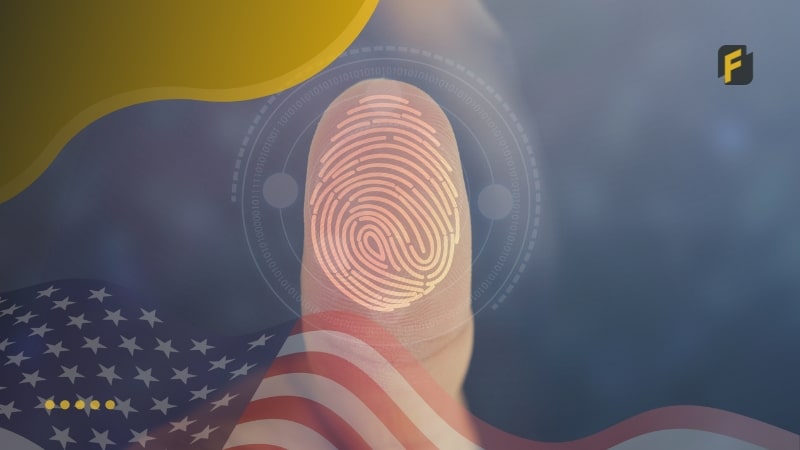
One of the most critical pillars of secure online banking practices is authentication. In simple terms, authentication ensures that only authorized users can access financial accounts.
Strong passwords are the first layer of protection. In the U.S., banks typically require passwords with a combination of uppercase letters, lowercase letters, numbers, and special characters. However, complexity alone is not enough. Passwords should be unique for each financial account and should never reused across different platforms.
Moreover, multi-factor authentication, often referred to as MFA or 2FA, has become standard among American banks. This system requires an additional verification step beyond the password, such as a one-time code sent via text message, email, or authentication app. As a result, even if a password compromised, unauthorized access becomes significantly more difficult.
Biometric authentication, including fingerprint scanning and facial recognition, is also increasingly popular in the U.S. While not foolproof, these methods add another valuable layer to secure online banking practices, especially on mobile devices.
Safe Device Management for Online Banking
The security of online banking directly linked to the security of the devices used to access financial accounts. Therefore, protecting smartphones, laptops, and tablets is just as important as protecting login credentials.
First and foremost, devices should always be updated with the latest operating system and security patches. Software updates often include fixes for vulnerabilities that hackers actively exploit. Ignoring these updates can leave devices exposed to known threats.
Additionally, reputable antivirus and anti-malware software should installed and kept active. In the U.S., many consumers underestimate the importance of this step, especially on mobile devices. However, smartphones increasingly targeted by financial malware due to widespread banking app usage.
Locking devices with PINs, passwords, or biometric security is another essential aspect of secure online banking practices. In case a device is lost or stolen, these protections prevent unauthorized access to sensitive information.
Secure Internet Connections and Network Awareness
Another crucial element of secure online banking practices involves understanding how and where you connect to the internet. While online banking platforms use encrypted connections, unsafe networks can still compromise security.
Public Wi-Fi networks should be avoided for financial transactions whenever possible. If accessing online banking is absolutely necessary, using a trusted Virtual Private Network (VPN) is strongly recommended. VPNs encrypt internet traffic, making it much harder for attackers to intercept data.
At home, users should ensure that their Wi-Fi routers are properly secured with strong passwords and updated firmware. Default router settings often lack adequate protection, making them easy targets for cybercriminals.
Furthermore, users should always verify that banking websites use HTTPS encryption. This can be identified by the padlock icon in the browser address bar. Although this alone does not guarantee safety, it is a basic requirement for secure financial communication.
Monitoring Accounts and Detecting Fraud Early
Even with strong preventive measures, no system is entirely immune to cyber threats. Therefore, continuous monitoring is a vital part of secure online banking practices.
American banks offer real-time alerts for suspicious activity, including unusual transactions, login attempts from new locations, or changes to account settings. Enabling these alerts allows users to react quickly if something goes wrong.
Regularly reviewing bank statements and transaction histories is equally important. Small unauthorized charges are often used as tests by criminals before committing larger fraud. Detecting these early can prevent more significant financial damage.
In the United States, federal law provides strong consumer protections against unauthorized transactions, particularly under the Electronic Fund Transfer Act. However, timely reporting is essential to take full advantage of these protections. Thus, staying alert is not only a security habit but also a legal safeguard.
The Role of Financial Education in Online Security
Financial literacy plays a key role in promoting secure online banking practices. Users who understand how scams work are far less likely to fall victim to fraud.
Many U.S. banks and government agencies provide free educational resources on cybersecurity and financial safety. Learning how to recognize red flags, such as urgent messages demanding immediate action or requests for personal information, empowers consumers to make safer decisions.
Moreover, discussing online security with family members, especially elderly relatives and young adults, helps create a more secure digital environment. These groups are often targeted by scammers due to lack of experience or overconfidence in technology.
By fostering awareness and education, Americans strengthen not only their individual security but also the overall resilience of the financial system.
Conclusion
In conclusion, adopting secure online banking practices is no longer a matter of preference but a fundamental requirement for financial safety in the United States. As digital banking continues to dominate how Americans manage their money, the responsibility of protecting personal and financial data increasingly falls on both institutions and users.
While banks invest in advanced security systems, individual habits remain a decisive factor in preventing fraud, identity theft, and unauthorized transactions.
Furthermore, consistent vigilance is essential in an environment where cyber threats evolve constantly. Strong authentication, secure devices, cautious network usage, and regular account monitoring form the foundation of responsible online banking behavior.
When these practices are applied together, they significantly reduce exposure to digital risks and allow consumers to benefit from the speed and convenience of modern financial services with greater confidence and peace of mind.
Finally, staying informed is one of the most effective defenses against online financial crime. Official institutions in the United States regularly publish guidance, alerts, and educational materials to help consumers protect themselves.
Resources from the Consumer Financial Protection Bureau provide reliable information on digital banking safety and consumer rights, while guidance from the Federal Trade Commission helps users understand how to recognize, report, and recover from online fraud and identity theft. By combining trusted institutional knowledge with proactive behavior, Americans can navigate the digital financial landscape securely and sustainably.